Wednesday, April 27, 2016

Palais Garnier

The Palais Garnier (pronounced: [palɛ ɡaʁnje] French About this sound (help·info)) is a 1,979-seat opera house, which was built from 1861 to 1875 for the Paris Opera. It was originally called the Salle des Capucines, because of its location on the Boulevard des Capucines in the 9th arrondissement of Paris, but soon became known as the Palais Garnier, in recognition of its opulence and its architect, Charles Garnier. The theatre is also often referred to as the Opéra Garnier (French About this sound (help·info)) and historically was known as the Opéra de Paris or simply the Opéra,[7] as it was the primary home of the Paris Opera and its associated Paris Opera Ballet until 1989, when the Opéra Bastille opened at the Place de la Bastille.[8] The Paris Opera now mainly uses the Palais Garnier for ballet.


Palace of versailles

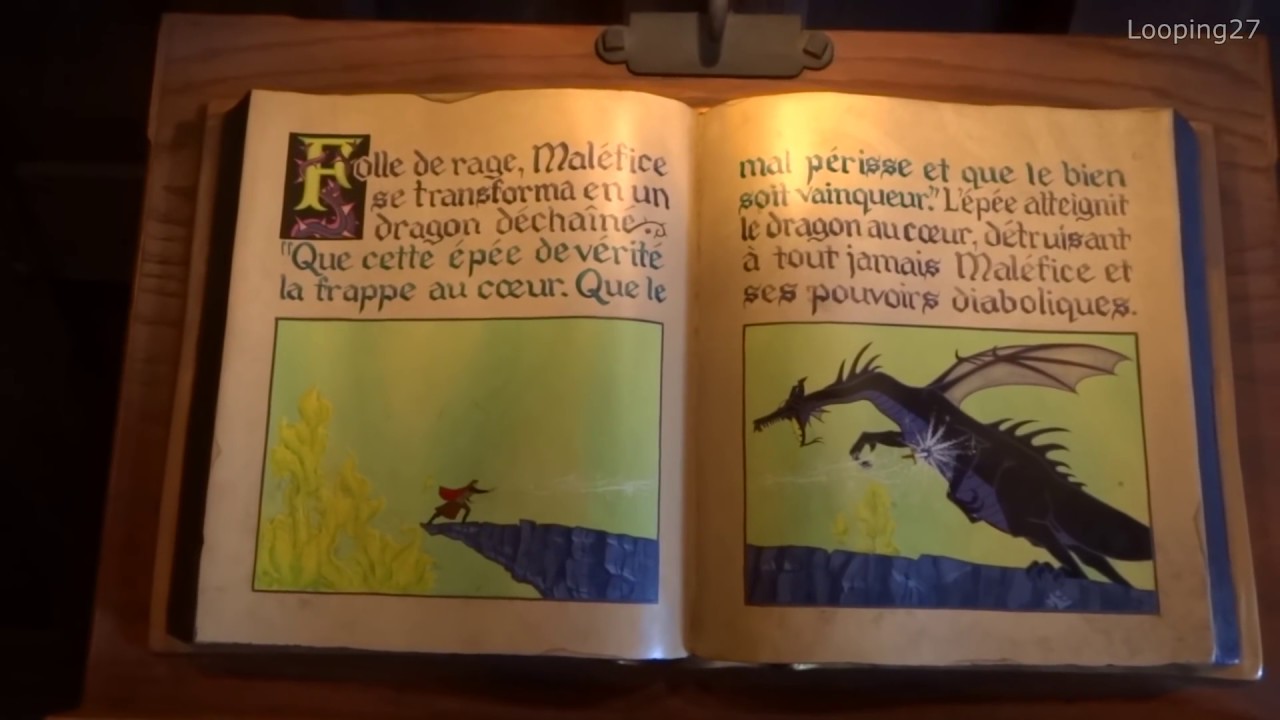
The Palace of Versailles, or simply Versailles (English /vɛərˈs/ vair-sy or/vərˈs/ vər-syFrench: [vɛʁsaj]), is a royal château in Versailles in the Île-de-France region of France. It is also known as the Château de Versailles.When the château was built, Versailles was a country village; today, however, it is a wealthy suburb of Paris, some 20 kilometres (12 miles) southwest of the French capital. The court of Versailles was the centre of political power in France from 1682, when Louis XIV moved from Paris, until the royal family was forced to return to the capital in October 1789 after the beginning of the French Revolution. Versailles is therefore famous not only as a building, but as a symbol of the system of absolute monarchy of the Ancien Régime.    
The Musée d'Orsay (French pronunciation: ​[myze dɔʁsɛ]) is a museum in Paris, France, on the left bank of the Seine. It is housed in the former Gare d'Orsay, aBeaux-Arts railway station built between 1898 and 1900. The museum holds mainly French art dating from 1848 to 1914, including paintings, sculptures, furniture, and photography. It houses the largest collection of impressionist andpost-Impressionist masterpieces in the world, by painters including Monet,ManetDegasRenoirCézanneSeuratSisleyGauguin and Van Gogh. Many of these works were held at the Galerie nationale du Jeu de Paume prior to the museum's opening in 1986. It is one of the largest art museums in Europe.
Image result for musee d'orsay

disneyland paris

Disneyland Paris, originally Euro Disney Resort, is an entertainment resort in Marne-la-Vallée, a new town located 32 km (20 mi) east of the centre of Paris, and is the most visited theme park in all of France and Europe.[1] It is owned and operated by Euro Disney S.C.A., a publicly traded company in which The Walt Disney Company owns a majority stake.[2] The resort covers 4,800 acres (19 km2)[3] and encompasses two theme parks, several resort hotels, a shopping, dining, and entertainment complex, and a golf course, in addition to several additional recreational and entertainment venues. Disneyland Park is the original theme park of the complex, opening with the resort on 12 April 1992. A second theme park, Walt Disney Studios Park, opened in 2002. The resort is the second Disney park to open outside the United States, follow

Wednesday, April 20, 2016

La Sainte Chapelle

The Sainte-Chapelle or 'Holy Chapel', in the courtyard of the royal palace on the Île de la Cité (now part of a later administrative complex known as La Conciergerie), was built to house Louis IX's collection of relics of Christ, which included the Crown of Thorns, the Image of Edessa and some thirty other items. Louis purchased his Passion relics fromBaldwin II, the Latin emperor at Constantinople, for the sum of 135,000 livres, though this money was actually paid to the Venetians, to whom the relics had been pawned. The relics arrived in Paris in August 1239, carried from Venice by twoDominican friars. For the final stage of their journey they were carried by the King himself, barefoot and dressed as a penitent, a scene depicted in the Relics of the Passion window on the south side of the chapel. The relics were stored in a large and elaborate silver chest, the Grand-Chasse, on which Louis spent a further 100,000 livres. The entire chapel, by contrast, cost 40,000 livres to build and glaze. Until it was completed in 1248, the relics were housed at chapels at theChâteau de Vincennes and a specially built chapel at the Château de Saint-Germain-en-Laye. In 1246, fragments of theTrue Cross and the Holy Lance were added to Louis' collection, along with other relics. The chapel was consecrated on 26 April 1248 Louis'relics were moved to their new home with great ceremony. 

Arc de triomphe

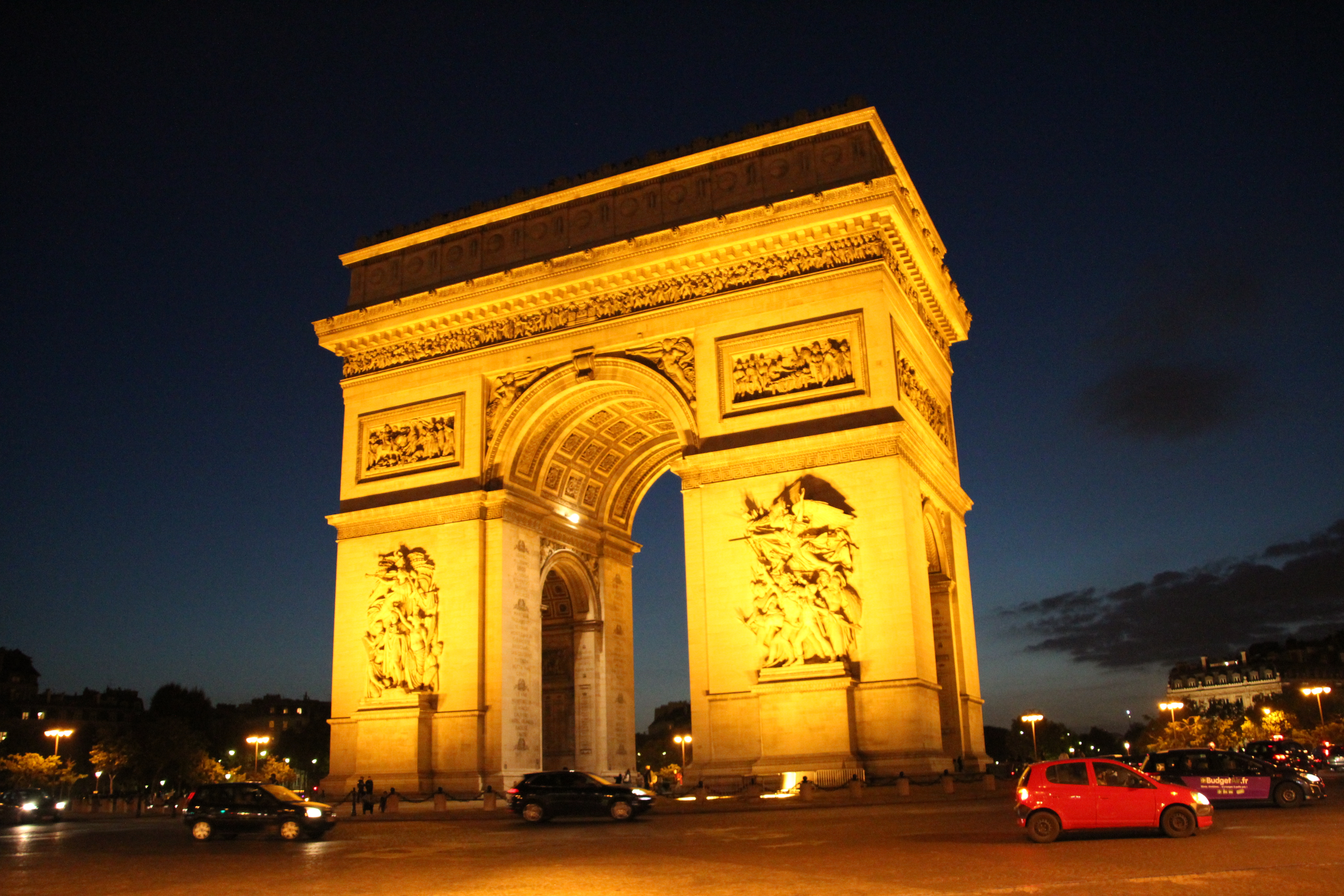
The Arc is located on the right bank of the Seine at the centre of a dodecagonal configuration of twelve radiating avenues. It was commissioned in 1806 after the victory at Austerlitz by Emperor Napoleon at the peak of his fortunes. Laying the foundations alone took two years and, in 1810, when Napoleon entered Paris from the west with his bride Archduchess Marie-Louise of Austria, he had a wooden mock-up of the completed arch constructed. The architect, Jean Chalgrin, died in 1811 and the work was taken over by Jean-Nicolas Huyot. During the Bourbon Restoration, construction was halted and it would not be completed until the reign of King Louis-Philippe, between 1833 and 1836, by the architects Goust, then Huyot, under the direction of Héricart de Thury. On 15 December 1840, brought back to France from Saint Helena, Napoleon's remains passed under it on their way to the Emperor's final resting place at the Invalides.[7] Prior to burial in the Panthéon, the body of Victor Hugo was displayed under the Arc during the night of 22 May 1885.

Sacre Coeur

The inspiration for Sacré Cœur's design originated on September 4, 1870, the day of the proclamation of the Third Republic, with a speech by Bishop Fournier attributing the defeat of French troops during the Franco-Prussian War to a divine punishment after "a century of moral decline" since the French Revolution, in the wake of the division in French society that arose in the decades following that revolution, between devout Catholics and legitimist royalists on one side,[3] and democrats, secularists, socialists and radicals on the other. This schism in the French social order became particularly pronounced after the 1870 withdrawal of the French military garrison protecting the Vatican in Rome to the front of theFranco-Prussian War by Napoleon III,[4] the secular uprising of the Paris Communeof 1870-1871, and the subsequent 1871 defeat of France in the Franco-Prussian War.